

Certificate in Diversity and Inclusion
UNDERSTAND WHAT DIVERSITY AND INCLUSION REALLY LOOKS LIKE
ONLINE - SELF-PACED - NO CLASSES - aNY dEVICE
Modules in this course
Week 1: Understanding the Foundations of Diversity & Inclusion
Module 1: What is Diversity?
Understanding visible and invisible differences, such as race, gender, sexuality, age, disability, culture, neurodiversity, and socio-economic background, and how they shape our experiences.
Module 2: What is Inclusion and Why Does It Matter?
The difference between diversity and inclusion. Why feeling accepted, valued and heard is essential to engagement and wellbeing.
Module 3: Belonging and Psychological Safety
Exploring what it means to feel safe at work. How fear of judgment or exclusion can prevent people from speaking up or showing up fully.
Module 4: Equality vs Equity
Why treating everyone the same doesn’t always mean fair treatment. A clear explanation of equitable vs equal practices in the workplace.
Module 5: Intersectionality: We’re Not Just One Thing
How overlapping aspects of identity, like race, gender, and class, affect how people experience inclusion or exclusion.
Module 6: The Business Case for D&I
How inclusive workplaces benefit everyone. Exploring links between inclusion and performance, innovation, retention, and employee wellbeing.
Module 7: Common Myths and Misunderstandings
Addressing common misconceptions such as “I don’t see colour” or “DEI is just political correctness.”
Module 8: Inclusion is Everyone’s Responsibility
Making the shift from thinking “this is HR’s job” to understanding that every individual shapes the workplace culture.
Week 2: Unconscious Bias, Stereotypes and Everyday Behaviour
Module 1: What is Unconscious Bias?
A look at how bias is formed, why it’s often automatic, and how it influences our decisions without us realising.
Module 2: Stereotypes and Mental Shortcuts
Understanding how stereotypes act as social shortcuts, and the risks they pose when we rely on them uncritically.
Module 3: Microaggressions: Subtle Exclusions
Exploring those quiet but cutting behaviours and comments that send messages of exclusion, often unintentionally.
Module 4: Understanding Privilege with Compassion
Demystifying privilege by looking at it as context, not criticism, and how recognising it can lead to fairer workplaces.
Module 5: Bias in Hiring, Feedback and Decision-Making
Examining the points where bias often slips into workplace processes, from job interviews to promotions.
Module 6: Everyday Behaviour: Jokes, Assumptions and Interruptions
Unpacking casual behaviour that seems harmless but can create exclusion, discomfort or offence.
Module 7: Recognising Our Own Bias
Learning to spot your own bias without shame, and how to gently challenge it with awareness.
Module 8: Speaking Up: Being an Active Bystander
How to intervene in moments of bias or exclusion, and how to support others without escalating conflict.
Week 3: Inclusive Communication and Cultural Sensitivity
Module 1: What Makes Communication Inclusive?
Understanding the role of language, tone and behaviour in helping people feel respected, welcomed and heard.
Module 2: Assumptions and Everyday Language
Exploring the hidden assumptions in everyday phrases, and how language can unintentionally exclude.
Module 3: Inclusive Language in Practice
Clear, practical guidance on how to speak in ways that are respectful and inclusive without being overly cautious.
Module 4: Cross-Cultural Communication in Global Teams
Recognising differences in communication styles across cultures, directness, formality, gestures, and silence.
Module 5: Accessibility and Neurodiversity in Communication
Making communication clearer and more effective for people with different cognitive, sensory or communication needs.
Module 6: The Impact of Non-Verbal Signals
How body language, facial expressions and tone can reinforce inclusion, or create a sense of being unwelcome.
Module 7: Inclusive Meetings and Group Conversations
Ensuring everyone is heard, valued and included in meetings, whether in person or virtual.
Module 8: Listening with Curiosity, Not Judgment
Developing the skill of open, non-defensive listening, especially in uncomfortable or unfamiliar conversations.
Week 4: Allyship, Privilege and Taking Meaningful Action
CPD CERTIFICATION
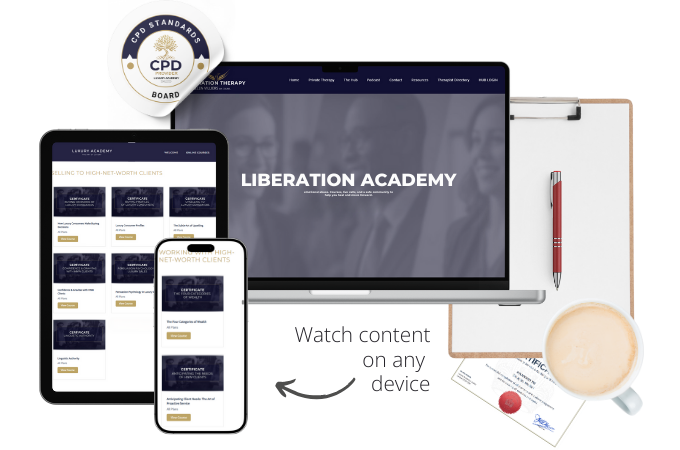
Upon successful completion of the programme, you’ll receive a CPD Certificate with the appropriate number of CPD Credits.
CPD certified programmes are industry recognised certifications that demonstrate your commitment to professional development and your ability to operate at a professional standard.
Your certification is a credential you can add to your CV, LinkedIn profile, or present to employers as evidence of your behavioural expertise, client awareness, and understanding of the subject matter.
Frequently Asked Questions
Is this Certificate accredited?
Yes. Liberation Academy is an approved, accredited provider of CPD and meets the requirements of The CPD Standards Board. You will receive a certificate on successful completion.
When can I access the Certificate?
Immediately. As soon as you purchase, you’ll have access to your personal dashboard where you can start straight away. If you take advantage of our discounted bundle, all of your courses will be available straight away.
Do I need any prior knowledge?
No. The course is designed for beginners as well as those with some familiarity who want a clearer and more complete picture.